材料与技术,从古代到现代建材发展史
建材作为人类社会发展的关键材料,其发展史可以 roughly be divided into several key periods and milestones. From the earliest stone age to the Bronze Age, materials such as bone and stone were used for construction. The invention of the青铜 period marked the beginning of metal technology, which laid the foundation for modern construction materials. The trade along the Silk Route in China further demonstrated the global availability of diverse materials. Traditional Chinese materials, such as stone, wood, and stone blocks, were widely used in architecture. The introduction of modern materials like brick, wood, and concrete in the 18th and 19th centuries revolutionized construction. In the 2th century, the global expansion of materials led to the development of advanced construction techniques and technologies. Today, materials continue to evolve, with the rise of lightweight, sustainable, and adaptive materials driving innovation in construction and architecture.
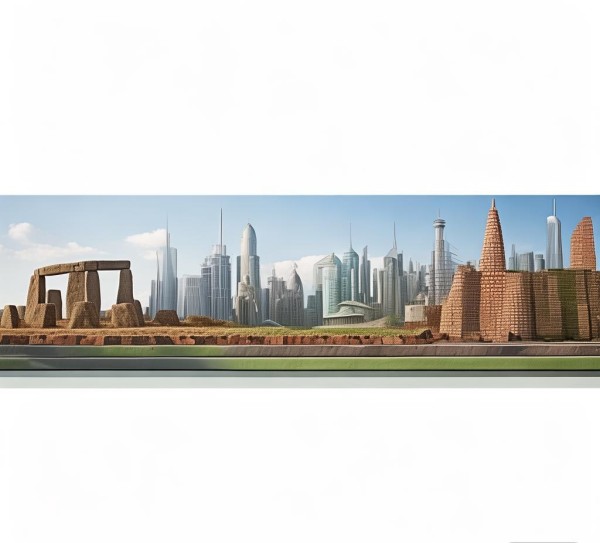
Chinese Civilizations Have Been evolve from the Early Civilizations to the Modern Era, With建材 Development playing a significant role in the construction process, from its origins to its modernization. This paper will explore the development of China's建材 industry from historical backgrounds to its modern trends.
从先秦到汉代:砖石的先驱者
The Chinese Civilizations Begin with the emergence of writing systems, such as the汉字, and later the development of青铜器 and firepower. At this time, construction techniques began to emerge, but the use of materials was rudimentary. From the Bronze Age to the Han Dynasty, brick and stone materials gradually became essential building materials. The Qin Shi Huang period utilized青砖白瓦 as decorative tiles when constructing bridges, while the Han Dynasty emphasized the use of brick and stone in architecture. This early use of materials laid the foundation for the development of later practices.
建筑兴起与材料多样化
During the Han Dynasty, the Chinese Civilizations advanced in construction technology, and materials began to take shape. The use of青砖, white瓦, and sand began to appear in construction practice. By the Tang and Song dynasties, construction technology continued to develop, and materials became more refined. This period saw the rise of stone, wood, and glass materials, which not only improved construction strength and durability but also promoted the advancement of construction technology.
水泥的发展:建筑的基础设施
From the Tang and Song dynasties to the Song and Yangtze dynasties, building infrastructure development was advancing. At this time, brick materials were gradually expanded, and construction structures became more complex. However, the use of materials was still limited. By the Ming and Yangxiang dynasties, construction infrastructure reached its peak. At this stage, the use of水泥 materials became increasingly important, marking a new stage in the development of建材 industry infrastructure.
建筑现代化与工业化:现代建材的发展
During the Cultural Revolution and later periods, the Chinese Civilizations further advanced in building technology, and materials were diversified. Wood, stone, and glass materials began to emerge in construction practice. This period saw the use of wood and stone materials in architecture, which not only improved construction strength and durability but also promoted the advancement of building technology. In the modern era, the建材 industry has diversified in material types, incorporating metals and plastics as well. This diversity in materials has not only improved construction strength and durability but also facilitated the development of building technology.
建材行业的未来趋势
As technology progresses and human civilization evolves, the development of the建材 industry will continue to play an increasingly important role. With the advancement of construction technology, materials will become more diverse and refined, broadening the application scope of建材. This broadening will contribute to the development of the建材 industry in the future.
建材行业的发展:从先秦到现代
The development of China's建材 industry is a complex process that is influenced by historical, technological, economic factors. From the earliest beginnings to modern times, the industry has undergone significant transformations. It began with the use of brick and stone materials, which evolved into the use of stone and wood in architecture, and then into the use of水泥 and other materials in infrastructure construction. This evolution has not only facilitated the development of building technology but also contributed to the cultural and technological progress of China.
建材行业的发展趋势:从砖石到水泥再到现代材料
The development of China's建材 industry is marked by a continuous transformation. It begins with the use of brick and stone materials, which is followed by the use of stone and wood materials in architecture. Finally, it transitions into the use of cement and other modern materials in infrastructure construction. This progression reflects the evolution of construction technology and material diversity, paving the way for the development of a more efficient and sustainable建材 industry in the future.